Prison Project
Service is at the heart of Pepperdine University's mission, and is the central reason for why the Sudreau Global Justice Institute exists. A collaborative expression of service that we love to invite others into is a Prison Project.
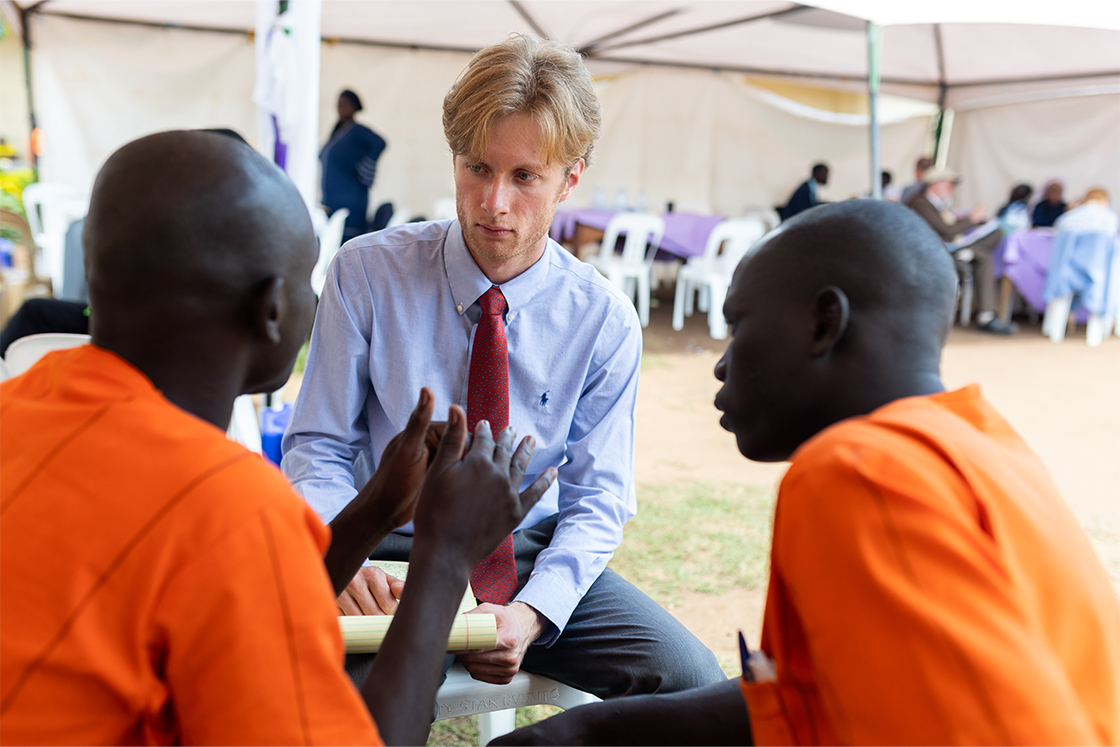
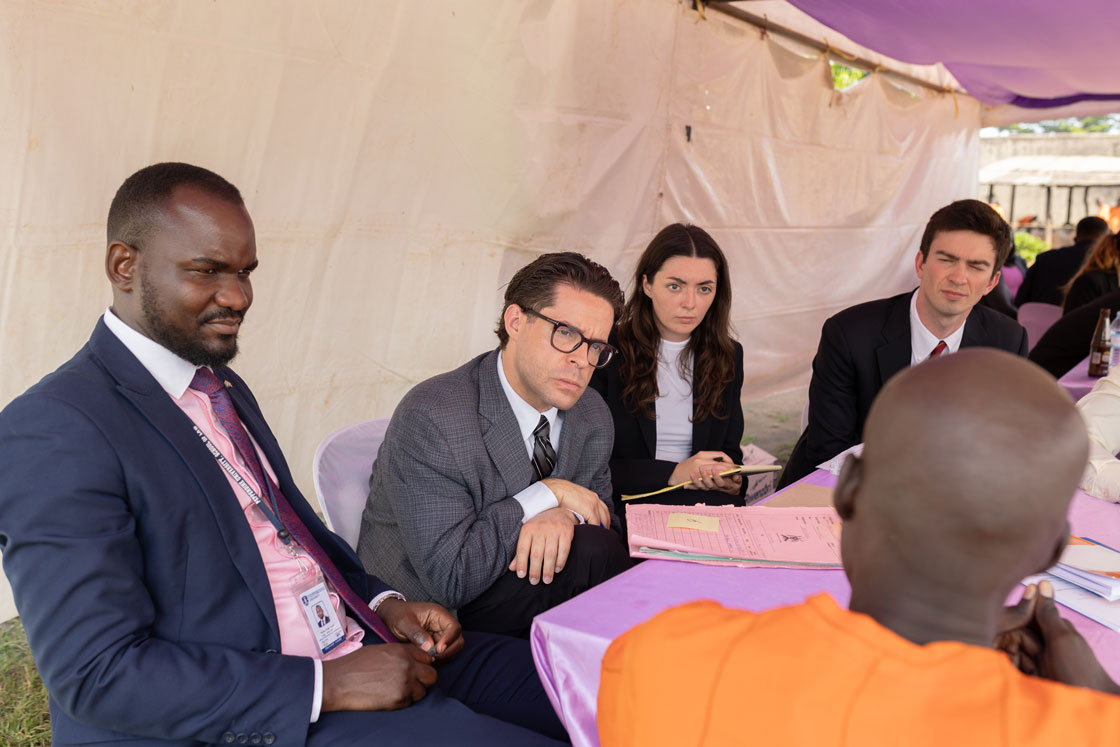
During Prison Projects, students encounter real people, real systems, and real consequences. Not only does this experience enhance their legal training and sharpen their legal skills, but our hope is that it shapes how they understand the administration of justice and the weight of responsibility it carries. We believe the perspective gained in this experience will inform their decisions and interactions throughout their careers.
For attorneys, it is also an opportunity to give back. By sharing their experience and coming alongside students and local practitioners, they help strengthen the work while contributing to the formation of the next generation.
Government Partnership
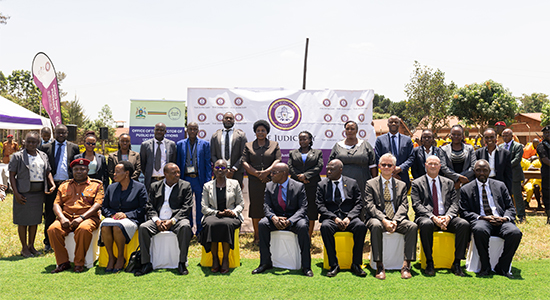
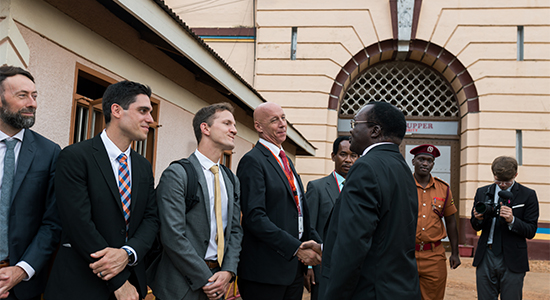
Prison Projects are made possible through long-standing relationships with the Chief Justices and judiciaries of the countries we serve. We participate at their invitation and in support of their efforts to implement and expand plea bargaining within their legal systems. Our role is to come alongside and to contribute in ways that align with their vision and priorities. Throughout the project, we make every effort to respect and follow the established protocols that govern the administration of justice in each country.
The Underlying Problem
In the United States, most cases do not go to trial. Instead, they are often resolved through alternative dispute resolution (ADR) methods such as negotiation, mediation, and arbitration for civil cases, as well as through plea bargaining for criminal cases.
In many parts of the world, these systems are not widely established, and the only way to resolve cases is through costly, lengthy trials. Without efficient ways to resolve cases outside of trial, courts become overwhelmed and backlogs grow. In some instances, it can take years for an individual to receive legal representation, regardless of whether they are guilty or innocent.
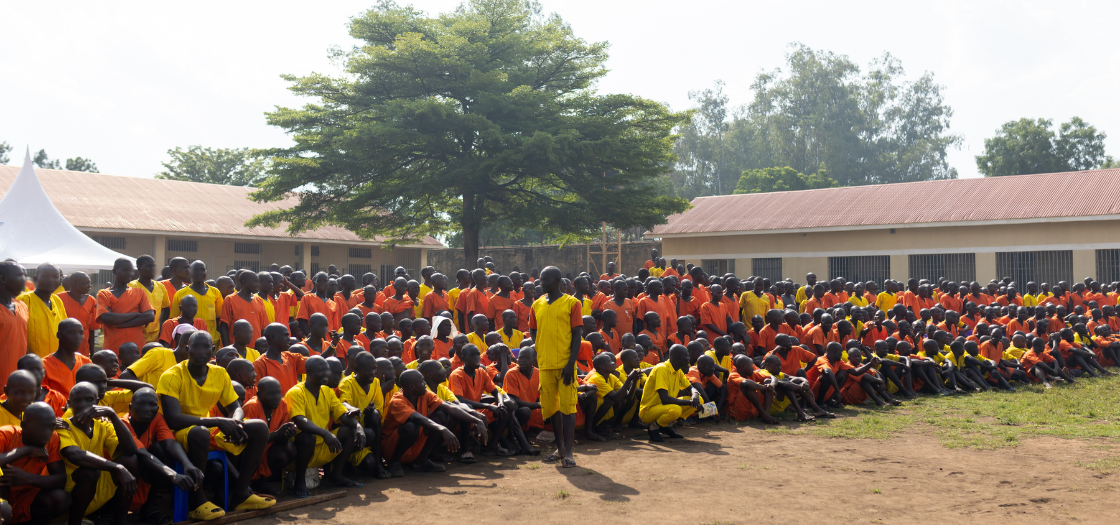
When cases are delayed, people remain in pretrial detention for long periods, and prisons hold far more people than they were designed for.
How It Works
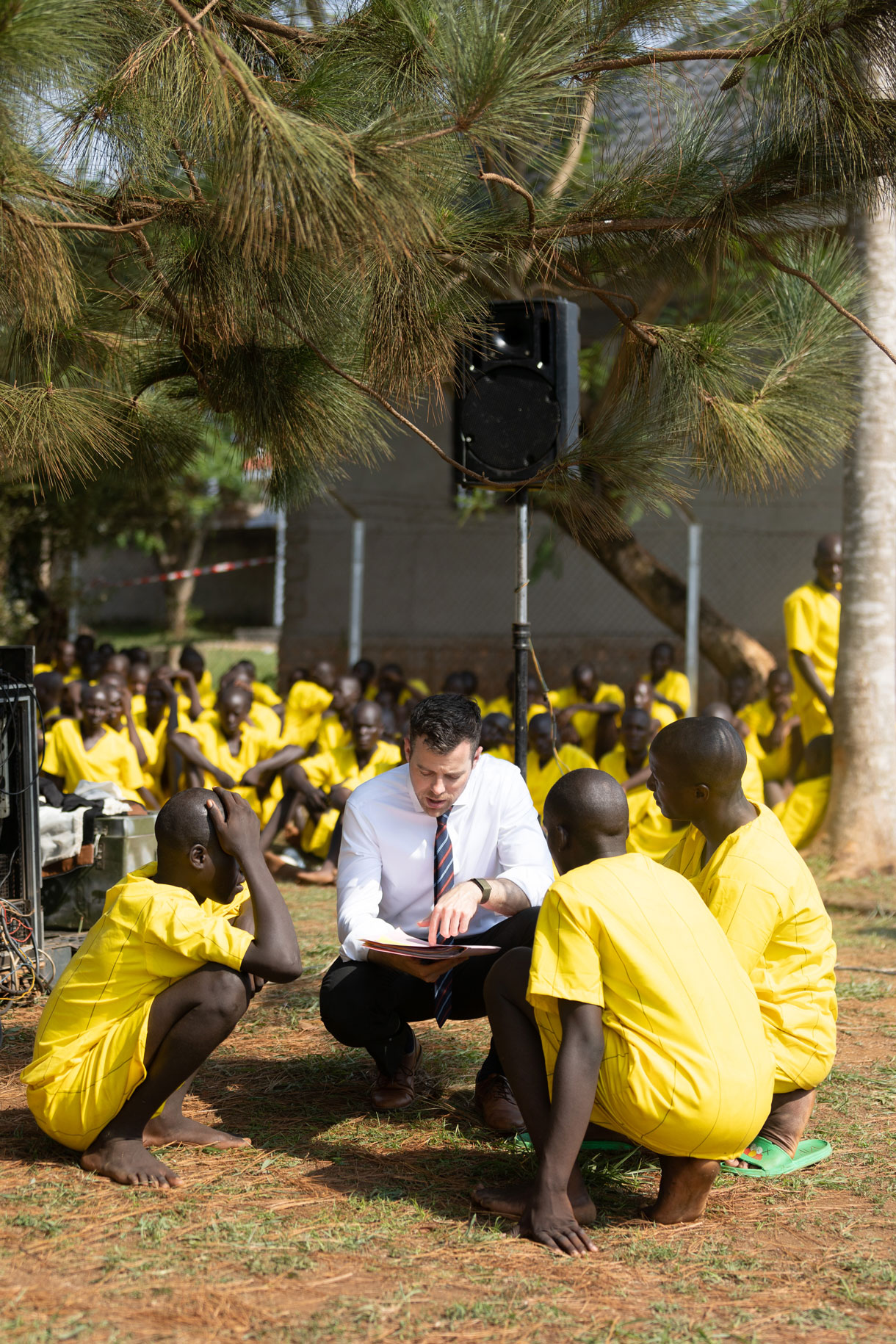
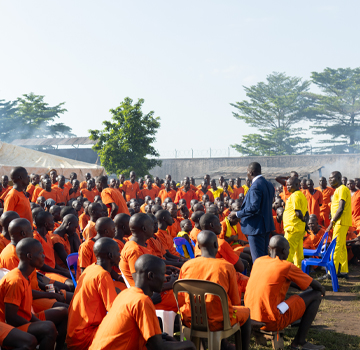
Before the project begins, we spend time engaging with individuals in pretrial detention by explaining the plea bargaining process and their legal rights. Those who are interested in speaking to and having their case file reviewed by our teams of attorneys put their names on a list, and the prosecution gathers their case files in advance. This preparation is a critical part of the work, helping ensure the process is clear, consistent, and reliable.
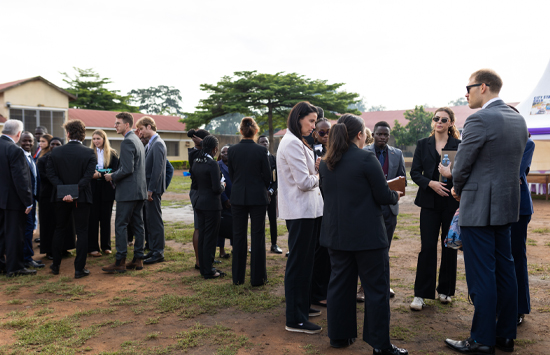
The project then takes place over several days inside the prison. Participants are organized into teams of Pepperdine and local law students, led by American and local attorneys. Each team reviews a case, meets with the accused, and, when appropriate, works with the prosecution to pursue a just, agreed-upon resolution, which is then immediately presented to a judge for a ruling.

Impact
Each number represents a person. Behind every case reviewed is an individual who has gained access to legal representation and a clearer path toward a just resolution. We do not enter these projects focused on reaching the highest number of resolutions possible. Our priority is to carry out this work with excellence and professionalism, recognizing the ramifications of every single case are significant and far-reaching. Every case is approached with care, consistency, and a commitment to fairness.
Cases Resolved
During a 4-day project (2025)
Cases Resolved
During two separate 4-day projects in two prisons (2024)
Cases Resolved
During two separate 4 day projects in two prisons (2023)
Testimonials
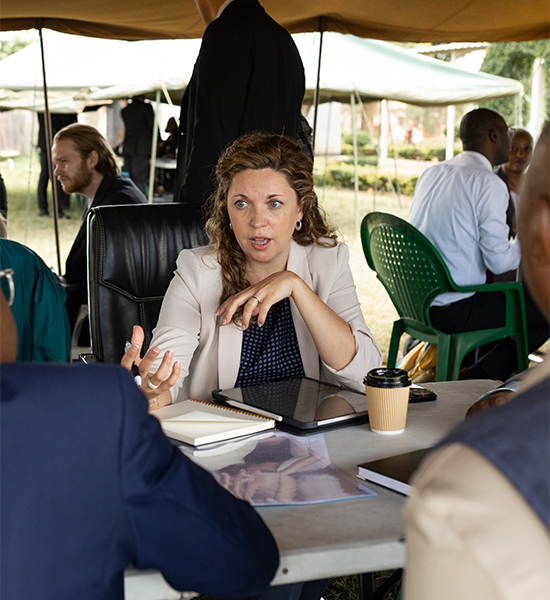
Participating in Sudreau's Prison Project in Uganda and Malawi has been one of the most meaningful experiences of my legal career to date.
As a U.S. legal practitioner, it's easy to get lost in the day-to-day and lose sight of our broader purpose. Stepping into a prison in another country—and witnessing justice unfold in real time—brings that purpose back into sharp focus.
Sherri Craig, ESQ
2025
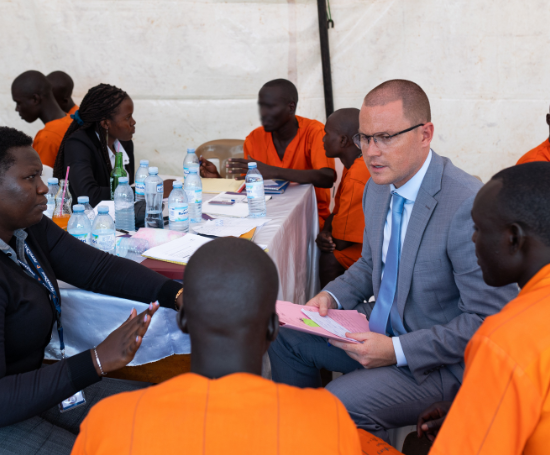
I think many people have the tendency to reduce someone accused of a crime to his or her worst moment. The Prison Project gave me the ability to see past that, and I saw the humanity, remorse, and growth in the remandees.
It's a perspective I'll have for the rest of my life.
Adam Clinton
Pepperdine Caruso School of Law 2025
Learn How You Can Get Involved